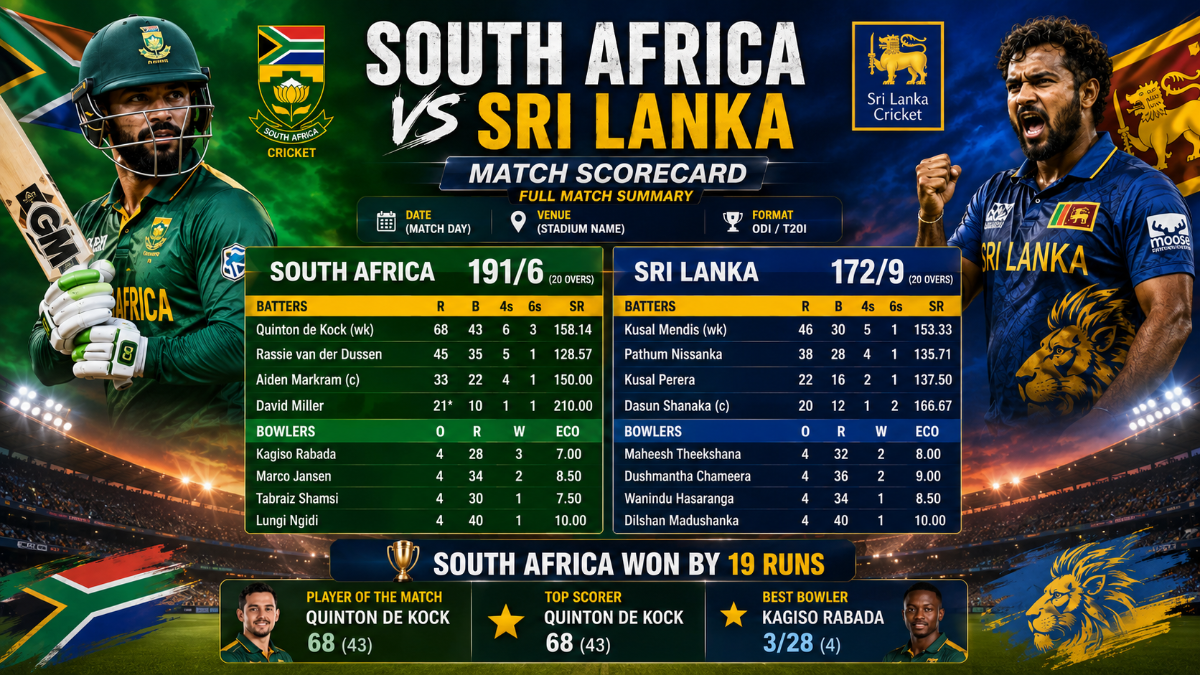
South Africa National Cricket Team vs Sri Lanka National Cricket Team Match Scorecard: SA Win by 109 Runs at St George’s Park
South Africa National Cricket Team vs Sri Lanka National Cricket Team Match Scorecard. South Africa completed a clinical 2-0 Test series sweep over Sri Lanka, bowling out a well-set opposition for just 238 in barely over an hour on the final morning to seal a 109-run win at St George’s Park and climb to the top of the World Test Championship table. This wasn’t just a series-closing formality-it was a match that swung on a single broken partnership, and understanding how it swung is far more valuable than just knowing the final score.
Quick Match Summary
South Africa defeated Sri Lanka by 109 runs in the second Test of their home series, completing a 2-0 series sweep. South Africa posted totals of 358 and 317, while Sri Lanka managed 328 and 238, undone by a dramatic final-morning collapse that shifted the entire momentum of the contest in barely an hour of play. This result did more than settle a two-match bilateral series-it pushed South Africa into pole position on the World Test Championship standings, with a guaranteed final berth now just one win away. For a team that had spent years chasing consistency in the format, this was validation delivered in the most emphatic way possible: a comprehensive, front-to-back performance with contributions from batters, bowlers, and even the tail.
South Africa National Cricket Team vs Sri Lanka National Cricket Team Match Scorecard: The Numbers
| Team | 1st Innings | 2nd Innings | Result |
| South Africa | 358 all out (103.4 overs) | 317 all out (86 overs) | Won by 109 runs |
| Sri Lanka | 328 all out (99.2 overs) | 238 all out (69.1 overs) | Lost |
Venue: St George’s Park, Gqeberha
Format: Test cricket (2nd of a two-match series)
WTC Points: South Africa 12, Sri Lanka 0
Series Result: South Africa won 2-0
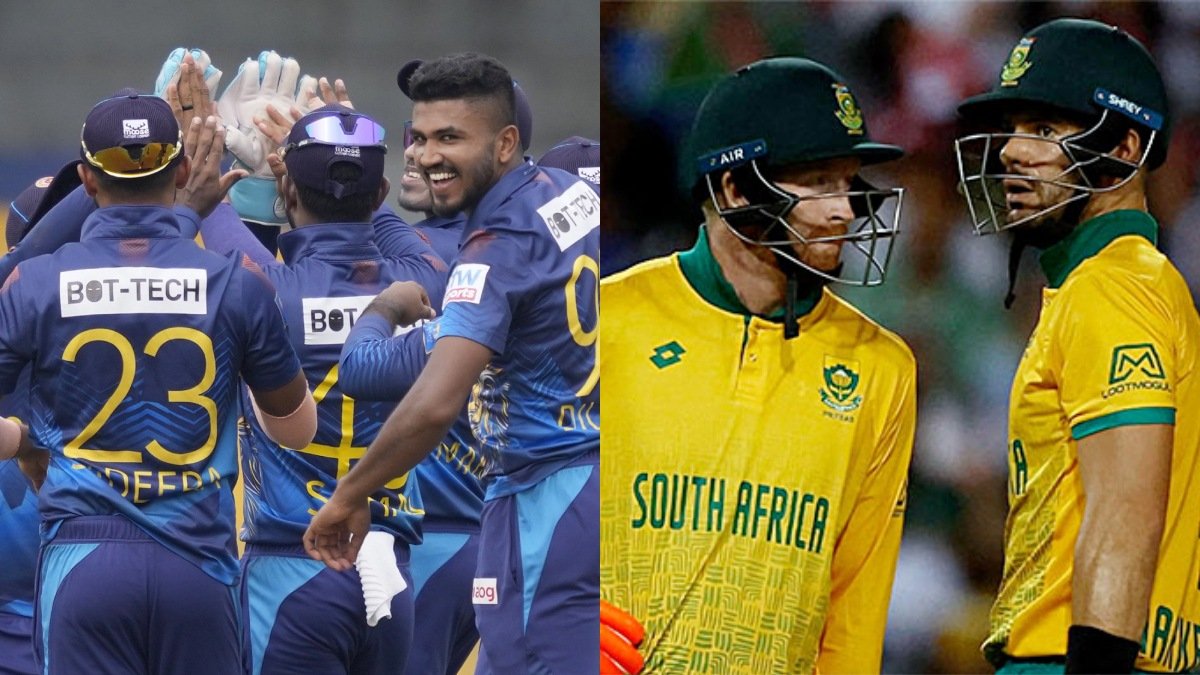
The South Africa National Cricket Team vs Sri Lanka National Cricket Team match scorecard tells a story of two contrasting halves-a solid, patient first-innings platform followed by a Sri Lankan implosion that no scorecard number alone can fully capture. Numbers show what happened, they rarely explain why it happened, and this Test is a textbook case of momentum swinging on a handful of key overs rather than the run totals alone.
Read More: India Women’s National Cricket Team vs New Zealand Women’s National Cricket Team Match Scorecard
Toss and Match Conditions
South Africa won the toss and elected to bat first on a dry, windy surface at St George’s Park, a decision that proved decisive given how the pitch behaved over five days. The ground staff had left roughly 8mm of grass on the pitch-not intended for seam movement, but purely as a buffer against drying conditions as the match progressed. Both sides understood that batting first carried a significant tactical advantage on a surface expected to deteriorate gradually. Notably, this toss loss snapped a run of seven consecutive tosses won by Sri Lankan captain Dhananjaya de Silva coming into the match-a small but symbolically important shift in fortune that set the tone before a ball was even bowled. In Test cricket, where conditions dictate strategy more than in white-ball formats, a toss can quietly decide 20-30% of a match’s outcome before any player touches bat or ball.
Pitch Behavior Across Five Days
The surface at St George’s Park started true and batter-friendly on Day 1 and Day 2, gradually offering more turn for the spinners as the match wore on-which is exactly why Keshav Maharaj’s role became so central on the final morning. This kind of progressive wear is common at South African venues during the home summer season, rewarding sides that bat first and punishing those forced into a fourth-innings chase against a tiring pitch and a rested bowling attack.
Full Playing XIs for the Match
South Africa National Cricket Team XI: Aiden Markram, Tony de Zorzi, Ryan Rickelton, Tristan Stubbs, Temba Bavuma (captain), David Bedingham, Kyle Verreynne (wicketkeeper), Marco Jansen, Keshav Maharaj, Kagiso Rabada, Dane Paterson
Sri Lanka National Cricket Team XI: Dimuth Karunaratne, Pathum Nissanka, Dinesh Chandimal, Angelo Mathews, Kamindu Mendis, Dhananjaya de Silva (captain), Kusal Mendis (wicketkeeper), Prabath Jayasuriya, Vishwa Fernando, Asitha Fernando, Lahiru Kumara
South Africa made two enforced changes to their lineup due to injuries, drafting in Dane Paterson as a third seamer while opting for an extra specialist batter-a tactical call that pushed Ryan Rickelton, usually a No. 5 batter by trade, up into the No. 3 slot. This wasn’t a like-for-like swap, it was a genuine gamble on a player stepping outside his comfort zone in a pressure situation, and it paid off spectacularly.
Sri Lanka, in contrast, went in unchanged from their Durban lineup, sticking with Prabath Jayasuriya as their sole frontline spinner throughout the series-a decision that limited their bowling variety on a pitch that increasingly rewarded spin as the Test progressed.
Why Rickelton’s Promotion Mattered
Rickelton had never batted at one-drop in Test cricket before this match. When South Africa lost opener Tony de Zorzi off the seventh ball of the innings, Rickelton was thrust into a role he wasn’t accustomed to. By lunch on Day 1, South Africa were 82 for 3-hardly a position screaming dominance-with Rickelton on 29 off 74 balls alongside his captain. What followed was one of the most important supporting-cast performances of the series.
Key Batting and Bowling Performances
The individual battles within this Test defined its outcome as much as the team totals did, and several performances deserve far more attention than a bare scorecard typically gives them.
| Player | Team | Performance |
| Ryan Rickelton | South Africa | 101 off 231 balls-his maiden Test century, playing only his eighth Test |
| Kyle Verreynne | South Africa | Century in the first innings, pushing the total to 358 |
| Temba Bavuma | South Africa | 78 and 66 across the two innings, en route to being named Player of the Series |
| Pathum Nissanka | Sri Lanka | 89, his seventh Test half-century |
| Dhananjaya de Silva | Sri Lanka | 50, the backbone of the ill-fated fourth-innings chase |
| Angelo Mathews | Sri Lanka | Crossed the 8,000 Test-run milestone during his innings |
| Keshav Maharaj | South Africa | 5/76-his tenth career five-wicket haul and fourth specifically at this venue |
| Prabath Jayasuriya | Sri Lanka | 5/129 in South Africa’s first innings |
The Rickelton-Bavuma Partnership That Rescued the Innings
At 44 for 3 in the 16th over, South Africa were genuinely under pressure-three early wickets against a disciplined Sri Lankan new-ball attack could have easily turned into a collapse of their own. Instead, an unbroken fifth-wicket stand between Rickelton and Bavuma steadied the innings through to lunch, and the partnership eventually grew into the platform for South Africa’s entire first-innings total. This is the kind of tactical inflection point that a raw scorecard completely hides. Three wickets down inside 16 overs on a fresh pitch is a genuinely alarming position for any batting side-the fact that South Africa recovered to 358 all out speaks directly to the character and application of the middle order, not just raw talent.
Verreynne and Rickelton’s Sixth-Wicket Stand
Later in the innings, a further 77-run stand for the sixth wicket between Rickelton and Kyle Verreynne extended South Africa’s total well past a defensible score. Verreynne went on to convert his contribution into a century of his own, meaning South Africa had three individual centuries across the Test-a rare feat that underscored the depth of their batting lineup compared to Sri Lanka’s more top-heavy approach.
Match Awards and Recognition
Dane Paterson was named Player of the Match, a reward for his consistent, high-pressure seam bowling across both innings that never allowed Sri Lanka’s batters to fully settle into rhythm. Temba Bavuma, South Africa’s captain, was named Player of the Series for accumulating three half-centuries and a century across four innings-a total of 327 runs that also underlined his growing authority as a Test captain leading a rebuilding side. These individual honors reflect a broader truth about this series: South Africa’s squad depth, not just isolated moments of individual brilliance, was what ultimately separated the two sides. Three different bowlers picked up five-wicket hauls across the two-match series, and three different batters scored centuries-a level of contribution spread that Sri Lanka simply couldn’t match.
The Match Timeline: How It Unfolded
South Africa batted first and reached 358, powered by Ryan Rickelton’s maiden century and a supporting century from Kyle Verreynne lower down the order. Sri Lanka’s reply was built around Pathum Nissanka’s 89, but the innings folded for 328, handing South Africa a narrow first-innings lead of 30 runs. In their second innings, South Africa’s batting again showed depth, with Temba Bavuma’s 66 and useful lower-order contributions taking the total to 317, setting Sri Lanka a target of 348 to win the Test and complete an unlikely series-leveling win.
Sri Lanka’s Fourth-Innings Chase Begins
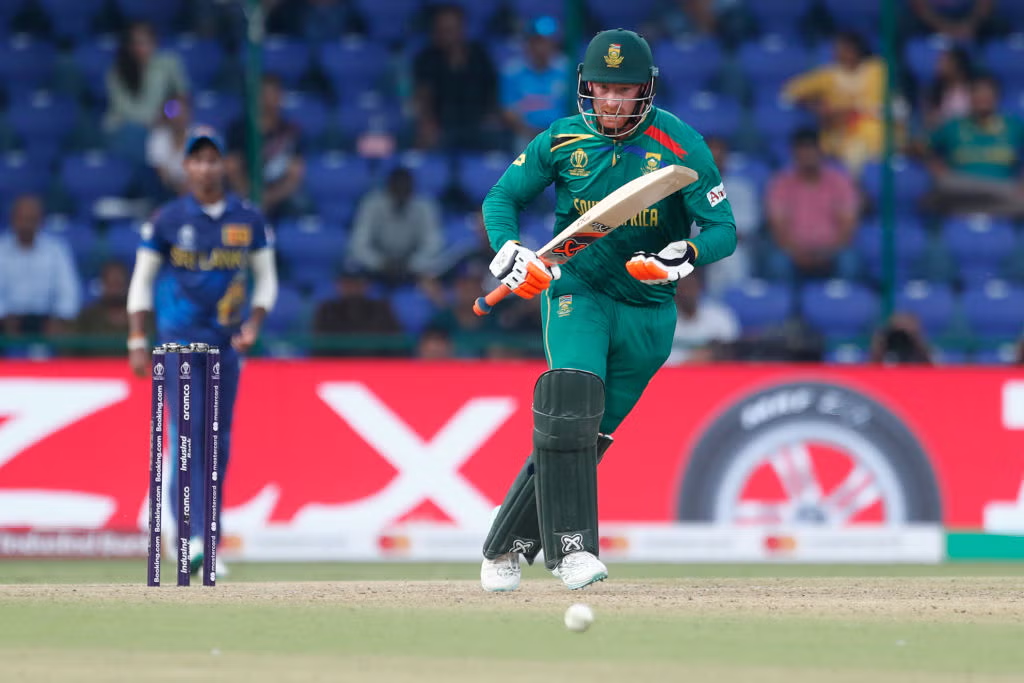
Chasing 348 in the fourth innings on a wearing pitch, Sri Lanka looked, for a while, like they had genuinely weathered the storm. They reached a stable 205/5, with South Africa’s attack-by their own bowlers’ later admission-starting to “search a little too hard” for wickets rather than building the sustained, patient pressure that had defined their bowling throughout the series. This is a subtle but crucial tactical detail. When a bowling attack senses a target getting away from them, the natural instinct is to bowl more aggressively, often sacrificing discipline for wicket-taking deliveries. South Africa’s bowlers acknowledged exactly this tendency creeping in-and it very nearly cost them control of the Test.
The Partnership That Nearly Saved Sri Lanka
Kusal Mendis and captain Dhananjaya de Silva constructed the innings’ most crucial partnership-an 83-run sixth-wicket stand that looked increasingly comfortable against a South African attack that had, momentarily, run out of fresh ideas. That stand represented the only real barrier between South Africa and victory, and its eventual breaking point changed the entire complexion of the match within a matter of overs.
The Final-Morning Collapse Explained
Sri Lanka resumed the final morning at 202/5, still relatively well-placed with an experienced pair at the crease and a genuine chance of pulling off an improbable escape. What followed was one of the most abrupt top-order-to-tail collapses in recent Test cricket-five wickets fell for just 19 runs off 62 balls, turning a defendable position into a rout within roughly 69 minutes of play.
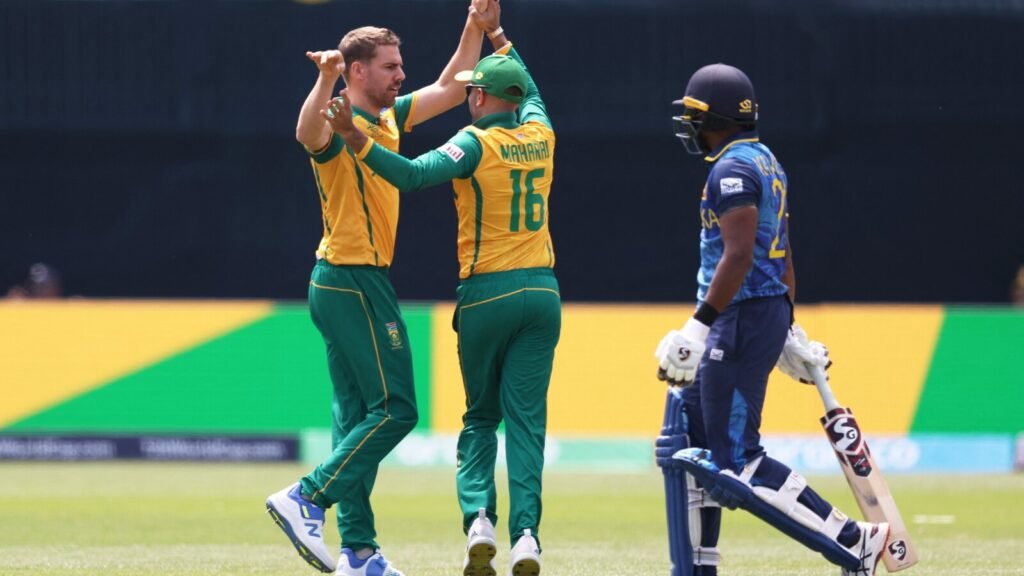
- Keshav Maharaj broke the game-defining partnership, dismissing Kusal Mendis with a delivery that turned away sharply as the batter drove with hard hands, caught low by Aiden Markram after a third-umpire review confirmed the legitimacy of the catch.
- Kagiso Rabada, who had troubled the Sri Lankan batters with away-movement throughout the series without much early reward, finally struck fourteen deliveries later-drawing a thin edge from Dhananjaya de Silva as he drove at a ball tailing away from the bat.
- With no recognized batting left in the lineup, the tail-Prabath Jayasuriya, Vishwa Fernando, and Lahiru Kumara-offered little meaningful resistance, falling in a rapid sequence that finished the innings.
Sri Lanka’s own head coach later acknowledged that missed chances earlier in the Test, not just the final-morning collapse itself, were what ultimately allowed South Africa to seize control of a contest that had actually been evenly poised for long stretches across four days. That’s an important nuance-the collapse was the visible symptom, but the underlying cause traced back to opportunities squandered on earlier days.
Why the Collapse Happened So Quickly
Test-match collapses of this speed rarely happen by accident. They typically follow a pattern: one key wicket falls, doubt creeps into the remaining batters’ minds, and bowlers sense blood, tightening their lines and lengths almost instinctively. Once Maharaj removed Mendis, South Africa’s entire bowling unit lifted its intensity simultaneously-exactly the kind of momentum shift that separates a genuinely dominant Test-winning side from a merely competent one.
Series Context and Historical Significance
This Test followed South Africa’s 233-run win in the series-opening Durban Test, where Marco Jansen produced a career-best 11-wicket match haul, bowling Sri Lanka out for a historic low of 42 in the first innings-their lowest-ever Test score. Tristan Stubbs and Temba Bavuma also broke a 12-year-old South African record with a 249-run fourth-wicket partnership in that opener, surpassing the previous mark held by Jacques Kallis and AB de Villiers. That context matters, because it means the Gqeberha result completed a 2-0 sweep rather than deciding an evenly poised series outright-South Africa were dominant across both Tests, not just this one. St George’s Park itself carries deep cricketing history, having hosted the first-ever Test match played outside England or Australia, back in 1888-89, and it remains one of the sport’s most storied and atmospheric venues.
World Test Championship Implications
The 109-run win pushed South Africa to the top of the WTC table, leaving them needing just one more Test victory-against Pakistan in their upcoming home series-to secure a guaranteed place in the next WTC final. Sri Lanka’s path back into genuine contention became significantly harder as a result: they now need to beat Australia away from home and depend on other results falling favorably across the remainder of the cycle. This context matters because it transforms a routine bilateral Test result into a genuine championship-defining moment, adding tournament-level stakes to what could otherwise be read as a straightforward series scoreline. It’s worth noting that the WTC points system doesn’t reward large winning margins-South Africa’s 233-run demolition in Durban earned exactly the same points as a narrow one-run win would have. That quirk of the system makes consistency across a full series, rather than isolated dominant performances, the real currency for WTC qualification.
Why This Match Matters Beyond the Scorecard
Raw numbers-358, 328, 317, 238-only tell part of the story. The real narrative sits in the momentum shifts: South Africa’s toss advantage, Rickelton’s career-defining maiden century under genuine pressure, Sri Lanka’s brief but credible resistance through the Mendis-Dhananjaya partnership, and the sudden, brutal collapse that undid nearly five days of competitive cricket in barely over an hour. Understanding these tactical inflection points-the searching bowling spell that nearly let Sri Lanka escape, the specific delivery that broke the key partnership, the head coach’s own admission about missed earlier chances-is what separates a genuine cricket analysis from a bare scoreline reprint. Anyone can copy a final score. Explaining why that score happened the way it did is where real cricket journalism earns its value.
Frequently Asked Questions:
Who won the South Africa National Cricket Team vs Sri Lanka National Cricket Team match scorecard?
South Africa won by 109 runs, completing a 2-0 series sweep.
What was the full match scorecard?
South Africa scored 358 and 317, Sri Lanka scored 328 and 238 all out.
Where was the match played?
At St George’s Park, Gqeberha, one of the oldest and most historic Test venues in world cricket, having hosted the first Test outside England or Australia in 1888-89.
Who won the toss and what did they choose?
South Africa won the toss and elected to bat first on a dry, windy surface.
Who was named Player of the Match?
Dane Paterson, for his consistent seam bowling across both innings.
Who was named Player of the Series?
Temba Bavuma, South Africa’s captain, for scoring 327 runs including three fifties and a century across the series.
What was the key partnership in the match?
Kusal Mendis and Dhananjaya de Silva’s 83-run sixth-wicket stand, which was broken by Keshav Maharaj on the final morning.
What caused Sri Lanka’s final-day collapse?
Sri Lanka lost their last five wickets for just 19 runs in 62 balls after their key partnership was broken, exposing an under-prepared lower order.
How did this result affect the World Test Championship?
South Africa moved to the top of the WTC table and now need just one more win over Pakistan to guarantee a place in the next final.
Was this South Africa’s first win of the series?
No-South Africa had already won the series-opening Test in Durban by 233 runs, with Marco Jansen taking 11 wickets in that match, before sealing the sweep in Gqeberha.

Related Posts
Profilbau Victoria United vs Powergen Penal SC Match Scorecard: PPS Win by 4 Runs
India Legends vs West Indies Legends Match Scorecard: Binny 50, Pollard 74 Decide WCL 2025 Thriller